

Imagine this: You’re in bed, ready to crash after a long day. Your head hits the pillow. What a relief! But wait a second. Ever thought about what your face is actually up against? Yeah, your pillowcase could be more involved in your skin’s health than you might think! If you’re battling breakouts or wrinkles, your pillowcase could be causing trouble. From acne to signs of aging, your choice of bedding plays a sneaky role. No lie. Let’s dig into why pillowcase skin health could be more real than you ever considered.
Table of Contents
- The Pillowcase-Skin Connection
- Common Skin Issues Linked to Pillowcase Materials
- The Role of Hygiene in Skin Health
- Pillowcase Material Showdown
- The Benefits of Silk Pillowcases
- Cotton vs. Silk Pillowcases: Which is Better for Skin?
- Acne-Prone Skin and Pillowcases
- How to Choose Skin-Friendly Bedding
- Maintenance Tips for Healthier Skin
- Conclusion: Rest Easy with Healthier Skin
1. The Pillowcase-Skin Connection
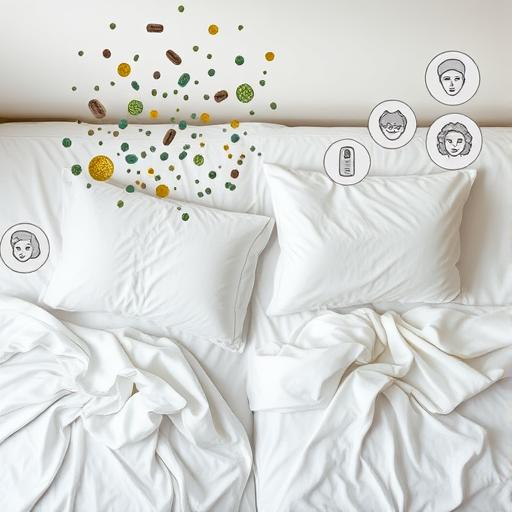
So, what’s up with pillowcases and your skin? It’s a closer connection than you might expect. Each night, oil, dirt, and bacteria migrate from your face to your pillowcase. Think of it as a nightly exchange—not helping you at all. And some materials do feel a lot nicer on your skin. The pillowcase skin health connection is absolutely a thing.
2. Common Skin Issues Linked to Pillowcase Materials
Picture this: You wake up with a new zit. Can you blame your pillowcase? Yep! Acne and even wrinkles sometimes link back to what your head rests on. It’s not just your hair that might be having a bad day—it’s your face too. And those sleep lines that show up? Blame friction. Over time, low-quality or rough pillowcase fabrics can strip moisture, irritate sensitive skin, and make fine lines more noticeable. Choosing the right fabric really can mean the difference between waking up refreshed or dealing with stubborn skin concerns.
3. The Role of Hygiene in Skin Health
Heads up! Clean pillowcases aren’t just for neat freaks. Nope. You need to wash those pillowcases more often than you do your jeans. Seriously. Fresh linens are much better than grimy ones. They’re not just a luxury; they are crucial for skin-friendly bedding. Let’s keep it real, it makes a difference. Dirty pillowcases can harbor oils, bacteria, and even allergens that love messing with your skin while you sleep. Regular washing keeps irritants at bay, helps skincare work better, and reduces the chances of breakouts. Clean bedding equals healthier, happier skin.
4. Pillowcase Material Showdown
Get ready for the big pillowcase material face-off: Cotton, silk, satin, and even bamboo. These crave your attention in this pillowcase material skin battle:
- Cotton: Good at soaking up, but not the softest.
- Silk: Super smooth, reduces friction.
- Satin: Slippery, shiny, but synthetic.
- Bamboo: Earth-friendly, still a contender.
Who knew pillowcases could be this complicated? I won’t say I told you so.
5. The Benefits of Silk Pillowcases
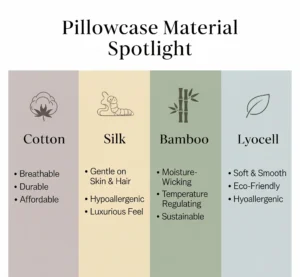
And here’s where silk comes to shine. Haven’t heard about silk pillowcase benefits? It’s time to get comfy with the idea. Silk is like a gentle hug for your face. It cuts down on friction, helping to avoid irritation and wrinkles. Silk feels as good as it sounds, plus it helps your skincare products stay put overnight. Imagine waking up with fewer creases and smoother hair—it’s a little luxury that quietly works while you sleep.
6. Cotton vs. Silk Pillowcases: Which is Better for Skin?
Time for the pillowcase showdown! On one side, good old cotton. On the other, fancy silk. Cotton is breathable, sure. But it kind of likes your face’s moisture too much. Silk, though, lets your head glide. It’s like deciding between comfy lounge clothes and formal wear, only your skin is the one making the call. With silk, there’s less tugging, less dryness, and more glow. Cotton has its perks, but silk’s smoothness wins the skin-loving award every time.
7. Acne-Prone Skin and Pillowcases
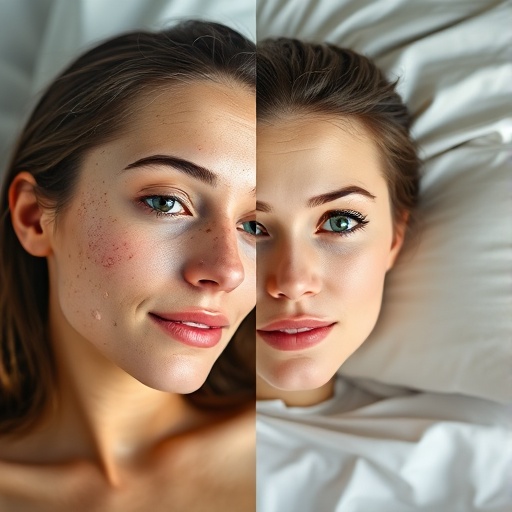
Got acne-prone skin? Listen up! Your pillowcase might be a sneaky player causing breakouts. Pillowcase material and cleanliness can make or break acne pillowcase effects. The wrong one can irritate your cheeks while you’re catching Z’s. Switching to a better pillowcase might be what your sleep-deprived skin needs. No joke. Think of it like skincare’s silent partner—fresh fabric equals fewer irritants and less pore-clogging drama. Small swaps can make big changes in how your skin heals overnight.
8. How to Choose Skin-Friendly Bedding
Time to shop! Picking the right pillowcases is like finding the perfect hoodie—more complex than it looks. Focus on materials, thread count, and hypoallergenic features. Avoid chemically treated stuff too. Think of it as finding the right outfit for your pillow. And remember, pillowcase skin health plays a huge role in your overall glow—silk or organic cotton can help reduce irritation and keep skin happy. So, happy shopping, and let your bedding love you back!
9. Maintenance Tips for Healthier Skin
And now, let’s talk upkeep. Keep your pillowcases in tip-top shape for your skin’s sake:
- Washing Frequency: Wash weekly for sure. More if you’re keen.
- Choice of Detergent: Gentle beats harsh every time.
- Fabric Conditioners: Consider them a soft hug for your linen.
This is more than cleaning 101—it’s a skin-care lifestyle choice.
10. Conclusion: Rest Easy with Healthier Skin
A cozy bed is great, but it’s also a vital part of skin wellness! Pillowcase material skin compatibility is not fluff. By swapping old for new—or cotton for silk—you could wake up with a fresh face. So, sleep well, knowing your pillowcase has your back.
Explore more about skin care rituals and home remedies in our Lymphatic Drainage Facials guide and uncover AM/PM Skincare Routines for a natural glow.
Author


