
It’s Friday afternoon, the clock’s ticking towards weekend freedom. Grand, right? But there’s one problem: your shoulders, they’re about to merge with your earlobes, your back seems permanently bent out of shape, and let’s be real, you look like you’ve been hauling invisible weights all week long. Sound familiar? We’ve all been there, feeling like a twisted mess in need of a good stretch. Enter muscle tension release. Forget pricey spa retreats or chants in foreign languages; there’s an easy trick at hand—progressive muscle relaxation, or PMR for short. It’s not just a fancy name, I promise!
This guided relaxation technique is a terrific tool for tension relief right at home. No fuss. By the time you’re through with this read, you’ll be primed to tackle anxiety and stress with PMR. You’ll be as cool and collected as a finely struck chord on a ukulele.
Table of Contents
- The Science Behind Muscle Tension and Relaxation
- What is Progressive Muscle Relaxation?
- Preparing for Your Relaxation Session
- Step-by-Step Guide to Progressive Muscle Relaxation
- Sensory Experience: What to Expect
- Common Mistakes to Avoid
- The Benefits of Regular Practice
- Using Guided Relaxation Techniques for Better Results
- Personalizing Your Relaxation Experience
- Conclusion: Your Path to Lasting Tension Relief
1. The Science Behind Muscle Tension and Relaxation
So, what’s the deal with our muscles acting like they’re in some intense action movie? It’s stress. Yep, good ol’ stress. Your body’s wired to tighten muscles when stress hits, thanks to ancient survival tricks. Those stress hormones go bonkers, making muscles think they’re auditioning for “Concrete: The Sequel.” It’s a hoot and a half how bodies work, right?


But, unlike suspense movies, tension’s not great for our health. Tension relief methods help us break free. Progressive muscle relaxation is key. Imagine tension leaving with a hiss, like opening a soda can. Feels good, huh? Less like a coiled spring, more relaxed. Say goodbye to stress, welcome balance. Off we go to the land of Zen.
2. What is Progressive Muscle Relaxation?
Think of a slow escalator, easing you from stress to calm—yep, that’s progressive muscle relaxation. Created by Dr. Edmund Jacobson back in the 1920s, this technique zeroes in on tightening then releasing muscle groups. It’s like unleashing a new mantra for your body: Relax, Release, Repeat. And you bet it’s super effective.
3. Preparing for Your Relaxation Session
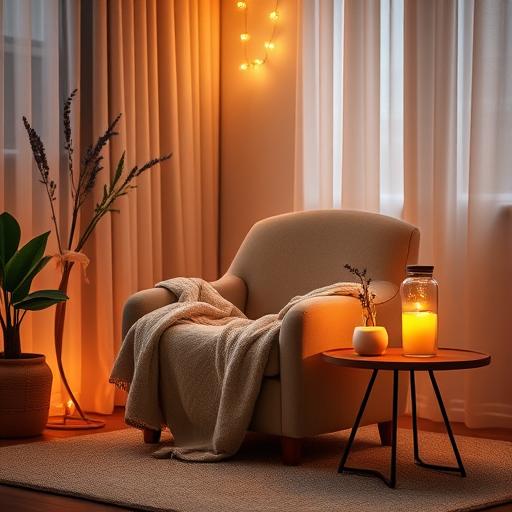
Alright! First things first—set the scene. Just like you wouldn’t hit the beach without shades, prep your space for relaxation:
- Find a quiet corner, as rare as a unicorn sighting.
- Slip into comfy clothes, the ones you’d love to live in.
- Let light be soft, like the coziest blanket.
- Got pets or a partner? They might wanna join, too! If they intrude, call it “group relaxation time.”
Light a relaxing candle. Play soft tunes. Pretend you’re in a spa commercial. And enjoy!

4. Step-by-Step Guide to Progressive Muscle Relaxation
Prepare to unlock your inner relaxation master. Here’s the plan:
- Start at the top: Close eyes, breathe deep, focus on the forehead. Scowl, then let go. Goodbye wrinkles!
- Face the face: Scrunch up tight like consuming a sour candy, then relax.
- Shoulders and arms: Lift shoulders as if dismissing a bad joke, then drop them.
- Chest and back: Inhale deeply, then release, allowing warmth to fill every space.
- Legs and feet: Point, flex, repeat. Let tension flow out through feet into the floor.
Focus on sensory experience—imagine warmth entering as tension exits, leaving muscles light as whipped cream.
5. Sensory Experience: What to Expect
Prepare for unique feelings as muscles release tension:
- Tingling, like bubbly soda on your skin.
- Warm waves, like a comfy blanket covering you.
- Melt into being butter-soft—buttery good feels, right?
If you’re feeling light and floaty like a cloud, congrats—you’ve nailed it!
6. Common Mistakes to Avoid
No racing through! Rushing is like gobbling down the best meal. Every muscle, a tasty morsel.
Quick pitfalls and solutions:
- Pitfall: Skipping muscle groups.
- Fix: Make a mental checklist.
- Pitfall: Mind drifting to to-do lists.
- Fix: Breathe calmly, repeat: “Inhale calm, exhale stress.”
Every muscle deserves time to shine.
7. The Benefits of Regular Practice
Why should PMR become your best friend for life? Here’s why:
- Brain Boost: Adios anxiety, hello focus.
- Sleep Buddy: Drift off quicker than sheep counting.
- Wellness Perk: Yoga or meditation doubles the Zen power.
It’s your secret stress superpower—no hero costume needed.
8. Using Guided Relaxation Techniques for Better Results
Let your phone guide you to relaxation bliss. Guided audio or apps, like a personal relaxation coach, work wonders. A soothing voice leads the steps, and deeper muscle tension release is simple.
Try various apps or find that quirky yoga pro on YouTube who clicks perfectly with you.
9. Personalizing Your Relaxation Experience


Want it to be as special as you are? Give it a personal touch:
- Scents: Lavender oil—like a warm embrace.
- Textures: Use a prized blanket under you.
- Rituals: Sipping herbal tea as a relaxation cue.
Personalizing isn’t just fun—it makes a mark, a tailored relaxation style.
10. Conclusion: Your Path to Lasting Tension Relief
And there you have it! Progressive muscle relaxation—a balance of power and peace. A gentle escape from stress’s grip. Make it a regular routine, and you’re on your way to being a serenity superhero—cape not included. So, switch to relax mode, you earned it. Who knew being stress-free could be this fun?
Feeling more relaxed already? Dive deeper into wellness by exploring our guide on effective productivity. Or, boost your self-care routine with these digital detox strategies to reclaim your energy.

