
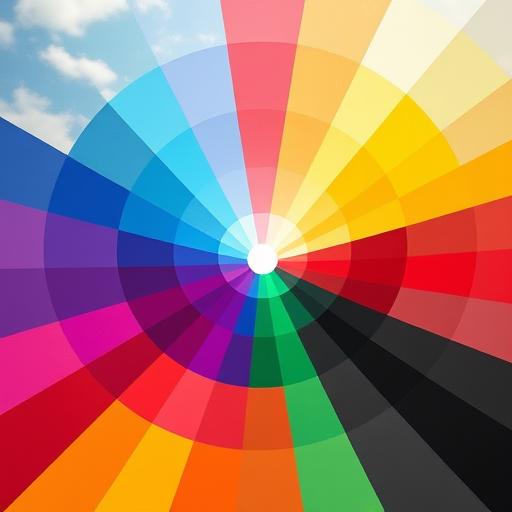
Color Therapy: How Different Shades Affect Your Emotional State
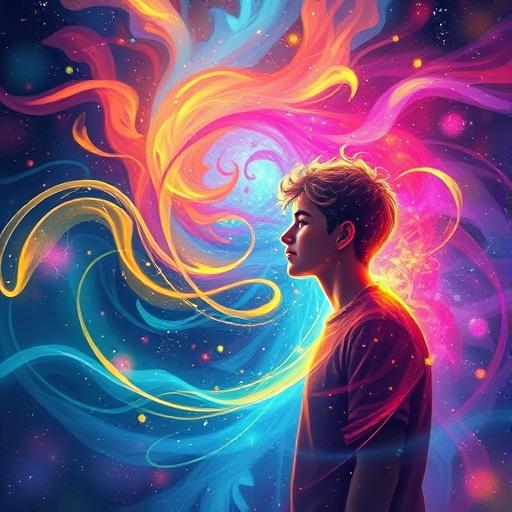
Ever walked into a room and felt unexpectedly calm or excited? Yeah, me too. It might just be the wall color pulling those strings. Crazy, right? Welcome to color therapy, where colors are doing more than just looking pretty. They play with our feelings, like wizards in a painting. Pretty cool, huh? The emotional impact of color therapy is like magic. It’s a secret many of us didn’t know we needed for feeling great and growing as people. Understanding the emotional color influence can totally brighten up our lives. To be honest, it’s fun to think that picking the right shirt color might save the day!
Table of Contents
- The Basics of Color Therapy
- Red: Ignite Passion and Energy
- Blue: Cultivate Calmness and Serenity
- Yellow: Infuse Joy and Happiness
- Green: Foster Balance and Harmony
- Purple: Connect to Spirituality and Luxury
- Orange: Boost Creativity and Enthusiasm
- Pink: Engage Compassion and Warmth
- Black and White: Contrast of Depth and Simplicity
The Basics of Color Therapy
Color therapy, or chromotherapy, isn’t just a new fad. Nope, it’s ancient! And trust me, it actually works. This stuff uses colors to make us feel better. Scientists say our brains see colors through light, and they make us feel things. Ever notice those bright red sale signs? That’s color psychology at work, making us buy stuff! Don’t ask me how I know this, but color influences emotions way better than that motivational cat poster.
Red: Ignite Passion and Energy
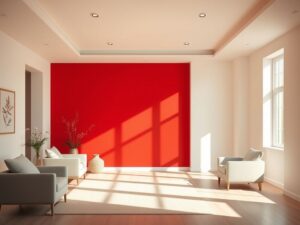

Red. It’s the color of love, passion, and that cheeky devil emoji. Associated with high energy, red gets us moving! There’s a reason sports teams and fast-food places love it. It screams excitement, like a hot chili or a loud soccer game. But go easy; too much red is like downing a spicy taco—heart rate up, feeling overwhelmed. Sound familiar?
Blue: Cultivate Calmness and Serenity
Blue. It’s like a soft hug in color form, right? Think cool ocean waves, a gentle breeze, and calming vibes. It’s perfect for chilling out and lowering blood pressure. Hospitals love using blue, now you know why! Need to soothe the chaos? Blue is your best bet, turning stress into a puddle, faster than ice cream can melt.
Yellow: Infuse Joy and Happiness
Here comes the sun! Yellow is like sunshine packed into color. Makes you happy, right? Picture a bright day with sweet lemonade. Businesses use it to catch your eye and spread warmth. It’s the color of happy puppies and sunny mornings. Feeling down? Time to get your yellow on!
Green: Foster Balance and Harmony
Green. It’s the shade of life and peace, like freshly-mown grass or a lush forest. It brings balance in the wildest sense. The therapeutic color effects help us relax and feel at peace, for real. Add some green to your space, like a plant or two, to work better and feel good. It’s like having a mini-therapist with leaves!
Purple: Connect to Spirituality and Luxury
Need some zen or feeling fancy? Purple’s got it. Think of it as the color of luxury and deep thoughts. Perfect for a meditation spot or those super-luxe brands. Ever wonder why purple feels so fancy? Must be that royal fabric vibe. And yes, purple is for when you want to feel grand. In mood color psychology, purple often symbolizes wisdom and balance. The therapeutic color effects of purple also encourage calm focus, making it ideal for relaxation corners, spas, or even creative brainstorming sessions where depth is needed.
Orange: Boost Creativity and Enthusiasm
Feeling stuck in a rut? Orange is your buddy. It sparks creativity and pumps up your social side—like a fizzy, citrus drink! Fun and lively, orange energizes us and lifts spirits. It’s perfect for spaces where the magic happens, faster than you can shout “Eureka!” Next time you’re in a jam, let orange reinvigorate you. Mood color psychology links orange to joy, warmth, and optimism. Its therapeutic color effects help combat lethargy, spark collaboration, and even uplift moods in shared spaces like offices or studios. It’s pure sunshine in shade form.
Pink: Engage Compassion and Warmth
Pink is sweet, like fluffy cotton candy. It’s friendly and all about love and care. Many brands use pink for family-friendly vibes. Think soft pastel skies or a gentle lullaby. Pink’s warmth wraps us up in compassion and friendship. Need a little love? Think pink, my friend! In mood color psychology, pink is tied to empathy and comfort, creating an inviting, nurturing atmosphere. The therapeutic color effects of pink have even been used in calming environments, softening tension and reminding us of kindness, affection, and human connection.
Black and White: Contrast of Depth and Simplicity
Black and white. A classic, like an old movie. Black whispers of mystery and style. Like a slick jacket or rich chocolate. White is fresh and clear, like a morning snowfall. Together, they create sleek spaces or set the stage for amazing stories. Wild, isn’t it?
Conclusion: Painting a Brighter Future with Color Therapy
So there you have it—a peek into how colors mess with our feelings and minds with their own special effects. Color therapy isn’t just for artists or decorators. It’s for all of us, helping us to grow. Whether you’re feeling energetic red, calming blue, or joyful yellow, there’s always a color to brighten your day. So why not add a splash of your favorite color to your life? You might just paint your way to true happiness! 🌈
Looking to dive deeper into enhancing your emotional and mental well-being? Check out our guide on Sound Frequency Healing and discover how vibrations can help soothe anxiety.
For more on mindfulness and self-care tips, you might find our article on Self-Care Day Activities insightful and rejuvenating.

